
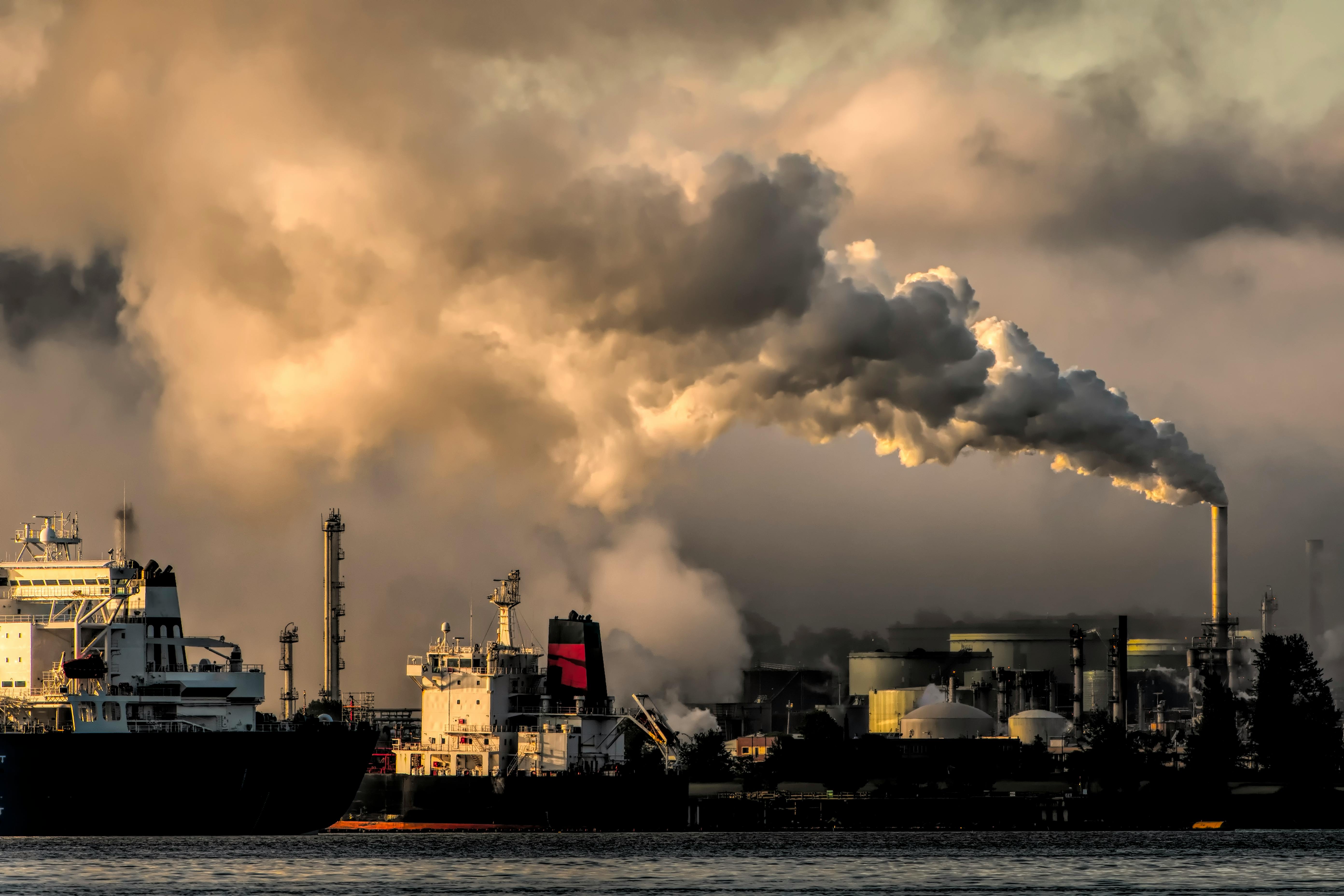
As the world grapples with the pressing issue of climate change, the concept of achieving net-zero emissions by 2050 has emerged as a beacon of hope in the fight against environmental catastrophe. However, as the clock ticks relentlessly and greenhouse gas emissions continue to rise, the question looms large: Is it too late to achieve this ambitious goal on a global scale?
The urgency of the climate crisis cannot be overstated. With each passing year, we witness the devastating impacts of climate change, from extreme weather events to rising sea levels and ecosystem degradation. The window of opportunity to avert the most catastrophic consequences is rapidly closing, and the need for decisive action has never been more urgent.
Achieving net-zero emissions by 2050 is not just a lofty aspiration; it is an imperative for the survival of our planet and future generations. The concept of net zero is simple yet profound: it means balancing the amount of greenhouse gases emitted with the amount removed from the atmosphere, effectively reducing emissions to zero. This requires a fundamental transformation of our energy systems, industries, and lifestyles, as well as widespread adoption of renewable energy, carbon capture technologies, and sustainable practices.
While the task ahead is daunting, it is not insurmountable. The technology and knowledge needed to transition to a net-zero world already exist; what is lacking is the political will and collective action to implement them on a global scale. Governments, businesses, and individuals must come together to drive meaningful change and accelerate the transition to a sustainable future.
One of the biggest challenges in achieving net zero is the entrenched interests and vested stakeholders in the fossil fuel industry. The transition away from fossil fuels will undoubtedly face resistance from powerful corporations and lobbying groups that have a vested interest in maintaining the status quo. However, the economic and environmental benefits of transitioning to clean energy far outweigh the costs, and the transition presents immense opportunities for job creation, innovation, and economic growth.
Another challenge is the unequal distribution of resources and capabilities among nations. Developing countries, which are often the hardest hit by the impacts of climate change, may lack the financial resources and technological capabilities to transition to clean energy and adapt to the changing climate. Global cooperation and support are essential to ensure that all nations have the means to participate in the transition to a net-zero economy and that the burden is shared equitably.
Despite these challenges, there are reasons for optimism. The growing momentum behind climate action, driven by grassroots movements, youth activists, and public awareness campaigns, is a testament to the power of collective action. Governments around the world are increasingly recognizing the urgency of the climate crisis and committing to ambitious climate targets, including achieving net zero by 2050.
Moreover, the rapid advancement of renewable energy technologies and the declining costs of clean energy sources have made the transition to a net-zero economy more feasible than ever before. Renewable energy sources such as solar, wind, and hydroelectric power are now cheaper and more efficient than fossil fuels in many parts of the world, making them a cost-effective alternative for reducing emissions.
In conclusion, while the goal of achieving net zero by 2050 may seem daunting, it is not beyond reach. It will require bold leadership, ambitious policy measures, and unprecedented levels of cooperation and collaboration among nations. However, the cost of inaction far outweighs the challenges of transitioning to a sustainable future. The time to act is now, and the window of opportunity is closing fast. Only by working together can we hope to build a world that is resilient, prosperous, and sustainable for generations to come.

 Green Affluence
Leave a comment